Seasonal Pricing for RV Storage: How to Maximize Revenue Year-Round
Winter vs summer rates, holiday demand spikes, and snowbird season—here's how RV storage operators adjust pricing throughout the year.
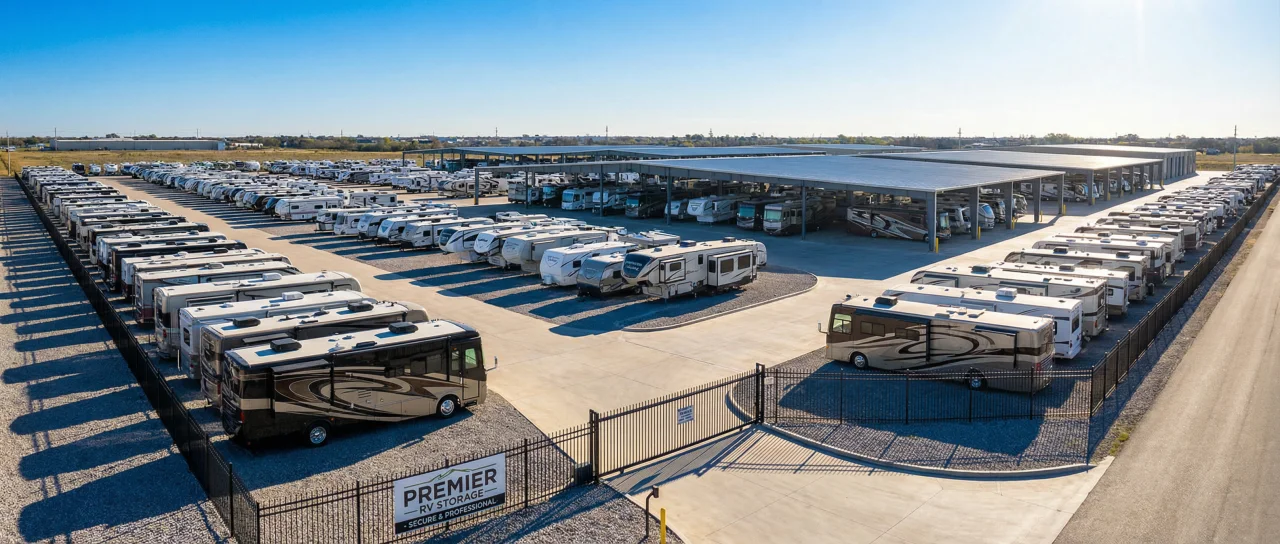
RV storage demand isn't constant. You probably already know this. Summer weekends, your lot empties out. Winter months, it fills up. Snowbird season in the fall, you see a surge. Holiday weekends, it's unpredictable.
Most RV storage operators charge a flat rate year-round. You're leaving money on the table.
The Reality of RV Storage Demand
Here's what actually happens with RV storage:
- Peak storage season: November - March (winter months when people aren't using their RVs)
- Low storage season: June - August (summer when people take trips)
- Snowbird season: September - October (people heading south for winter)
- Spring preparation: March - April (people getting RVs ready for summer)
Flat-rate pricing means you're charging the same rate when demand is high and when spaces sit empty. That's revenue you're not capturing.
Seasonal Pricing Strategy
1. Winter Rates (November - March)
This is peak storage season. Demand is highest. You can charge more.
Suggested approach: Increase monthly rates by 15-20% during peak season. If your standard rate is $100/month, charge $115-120 during winter. Customers expect seasonal pricing—hotels, rental cars, and storage all adjust rates.
2. Summer Rates (June - August)
Lowest demand period. Many RVs are on the road. Use this time to fill empty spaces.
Suggested approach: Offer a discount to attract summer storage. Consider 10-15% off standard rates. Use this season to lock in annual contracts or long-term commitments at slightly reduced rates.
3. Shoulder Seasons (Spring & Fall)
Standard pricing works here. April-May and September-October see moderate demand. Stick to your base monthly rate ($100 in this example). These are also good months to run promotions for new customers.
Holiday Weekend Pricing
Memorial Day, July 4th, Labor Day—these weekends see RVs leaving storage. If you offer short-term daily or weekly storage, expect vacancies. Don't jack up prices here; demand is actually lower during holiday weeks.
What About Existing Customers?
This is where operators worry. "If I raise rates in winter, will my existing customers leave?"
Here's what works:
- Grandfather existing customers: Keep current customers at their current rate for 12 months
- Annual contracts: Offer fixed-rate annual contracts to lock in customers
- New customers only: Apply seasonal pricing to new sign-ups
- Transparent communication: Explain seasonal pricing upfront when customers inquire
Most operators who implement seasonal pricing apply it to new customers only. Existing customers stay at their rate until renewal. This avoids complaints while still capturing higher revenue from peak-season demand.
Dynamic Pricing Based on Occupancy
Beyond seasonal rates, consider occupancy-based pricing:
- 90%+ full: Increase prices for new customers (supply is limited)
- Below 70% full: Run promotions or discounts to fill spaces
- 50% or less: Aggressive discounting or "first month free" offers
This is basic supply and demand. Airlines and hotels have done this for decades. RV storage is catching up.
How to Implement This Without Spreadsheets
Manual pricing changes are tedious. You need software that lets you:
- Set different rates by season (winter vs summer)
- Grandfather existing customers automatically
- Apply pricing rules to new bookings only
- Track occupancy in real-time to adjust pricing
spotOS handles seasonal pricing out of the box. Set your peak and off-peak rates, and the system applies them automatically based on booking date. Existing customers stay at their rate. New bookings get current seasonal pricing.
Real Numbers From Operators
Here's what operators report after implementing seasonal pricing:
- Winter revenue increase: 12-18% higher revenue during peak storage months
- Summer occupancy improvement: Discounts helped fill 20-30% of previously empty summer spaces
- Annual revenue impact: 8-12% higher annual revenue compared to flat-rate pricing
These aren't dramatic gains, but they're real money for doing the same work.
Start Simple
You don't need complex algorithms. Start with this:
- Calculate your base rate: What you charge now (e.g., $100/month)
- Add 15% for winter: November - March becomes $115/month
- Subtract 10% for summer: June - August becomes $90/month
- Apply to new customers only: Grandfather existing customers for 12 months
- Communicate clearly: Add seasonal pricing info to your website
Track results for 12 months. Adjust percentages based on your local market and actual demand patterns.
Common Objections
"Won't customers just leave in winter when prices go up?"
Not if you grandfather existing customers. They keep their rate. Only new customers pay seasonal pricing. And where are they going to go in November? Your competitors are full too.
"Isn't this too complicated?"
Not with software. spotOS applies seasonal rates automatically based on booking date. You set the rates once, and the system handles it. Simpler than managing spreadsheets.
"What if demand patterns are different in my area?"
Then adjust the strategy. If you're in Florida where winter is peak RV usage (snowbirds), flip the pricing model. Higher summer rates, lower winter rates. The principle stays the same: charge more when demand is high.
The Bottom Line
Seasonal pricing for RV storage isn't revolutionary. It's basic supply and demand. Hotels do it. Airlines do it. Storage operators should too.
Start with a simple winter/summer pricing structure. Apply it to new customers only. Track the results. Adjust as needed.
If you're still using flat-rate pricing year-round, you're leaving 10-15% of potential revenue on the table.
Automate Seasonal Pricing With spotOS
Set peak and off-peak rates once. spotOS applies them automatically to new bookings while grandfathering existing customers. No spreadsheets, no manual tracking.
See How It Works