Managing Multiple Facilities: 7 Lessons From Operators Running 5+ Locations
Running multiple facilities means juggling multiple systems, multiple vendors, and multiple headaches. Here's what successful multi-location operators do differently.
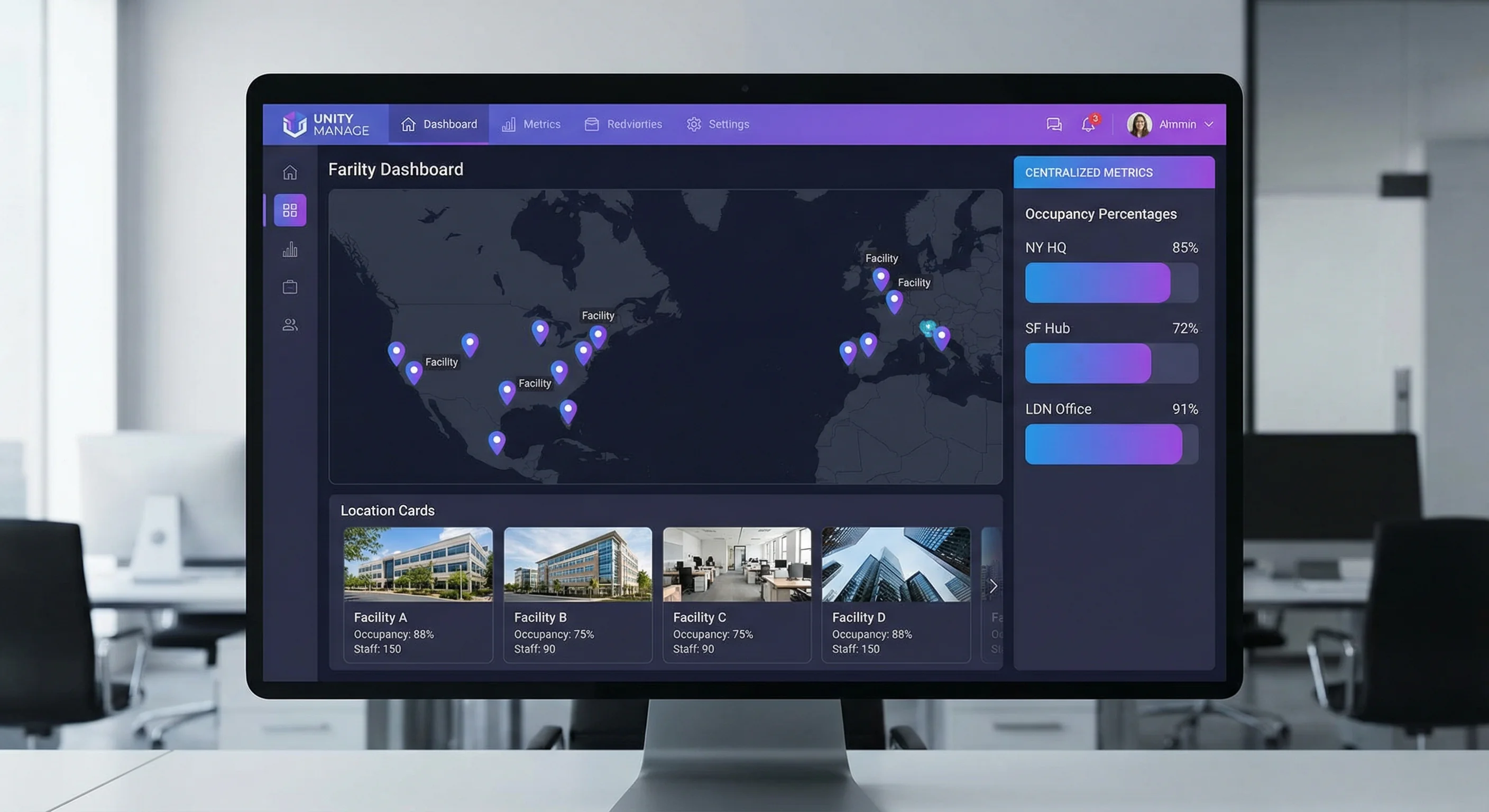
Managing one facility is hard enough. Managing five or more? That's when the cracks really show.
We talked to operators running multiple truck yards, RV parks, and storage facilities. Here's what they learned the hard way.
Lesson 1: One Platform or You'll Lose Your Mind
The biggest mistake multi-location operators make: using different systems at different locations.
What happens:
- Location A uses one gate system, Location B uses another
- You can't see revenue across all properties in one dashboard
- Reporting requires pulling data from 5 different places
- Training new staff means teaching 5 different systems
- Customer calls get transferred because "that location uses a different system"
What works: One platform for all locations. Same login, same interface, dropdown to switch between properties. Simple.
Lesson 2: Standardize Operations (But Allow Local Flexibility)
Successful multi-location operators standardize core processes:
- Booking process: Same steps, same forms, same payment flow
- Customer communication: Standard automated messages with location-specific details
- Gate access: Same code delivery method across all locations
- Reporting: Weekly reports in the same format for every property
But pricing, hours, and policies can vary by location. Your truck yard in Texas doesn't need the same rates as your RV park in Colorado.
Lesson 3: Consolidated Reporting Is Non-Negotiable
You need to see performance across all locations at a glance:
- Total revenue across all properties this month
- Occupancy rates by location
- Which locations are performing above/below average
- Payment collection rates by property
If you're logging into 5 different systems to compile this data, you're wasting hours every week.
Lesson 4: Remote Management Becomes Essential
You can't be physically present at every location every day. You need:
- Remote gate control: Open gates from your phone when needed
- Live camera access: Check what's happening at any location without driving there
- Mobile-friendly dashboards: Review occupancy and revenue from anywhere
- Automated customer communication: Confirmations, reminders, and notifications without manual sending
One operator told us: "I used to drive 200+ miles per week visiting each location. Now I only go when there's an actual problem."
Lesson 5: Staff Training Gets Harder (Unless You Standardize)
Every new location means training staff on:
- How to process bookings
- How to handle customer calls
- How to manage gate issues
- How to run reports
If every location uses different systems, staff can't easily move between properties. You can't reassign people when someone is sick or quits.
What works: Train once on one system. Staff can work at any location.
Lesson 6: Vendor Management Multiplies Your Problems
With 5 locations, vendor issues get amplified:
- 5 different gate vendors = 5 different support numbers to call
- 5 different camera systems = 5 different logins to manage
- 5 different payment processors = reconciliation nightmare
What successful operators do: Consolidate vendors wherever possible. Same gate controller brand, same camera system, same software platform. Fewer vendors = fewer headaches.
Lesson 7: Growth Reveals System Weaknesses Fast
A system that "kind of works" at one location becomes completely unworkable at five.
- Manual gate codes? Doesn't scale past 2-3 locations
- Spreadsheet tracking? Breaks down at 3+ properties
- Cash/check payments? Collection becomes impossible to manage
- Phone-based booking? You'll need multiple staff just answering phones
Before you add location #3, fix your operational systems. It's easier to standardize with 2 locations than retrofit 5 locations later.
What spotOS Does for Multi-Location Operators
- Single login, all properties: Switch between locations with a dropdown
- Consolidated dashboard: See revenue and occupancy across all sites at once
- Location-specific settings: Different pricing, hours, and rules per property
- Unified customer view: See if a customer has vehicles at multiple locations
- Cross-location reporting: Compare performance, identify top and bottom performers
Start Planning Before You Scale
If you're running one or two locations and thinking about expansion:
- Choose software that supports multiple locations from day one
- Standardize your operations before adding location #3
- Document processes so new locations can replicate what works
- Build systems that work remotely (you won't be on-site at every location)
Multi-location management isn't just about software. But the right software makes everything else easier.
If you're currently running multiple properties with disconnected systems, consolidation should be your #1 priority.
Manage All Your Locations From One Platform
spotOS was built for multi-location operators. One login, consolidated reporting, standardized operations. See how it works.
Schedule a Demo